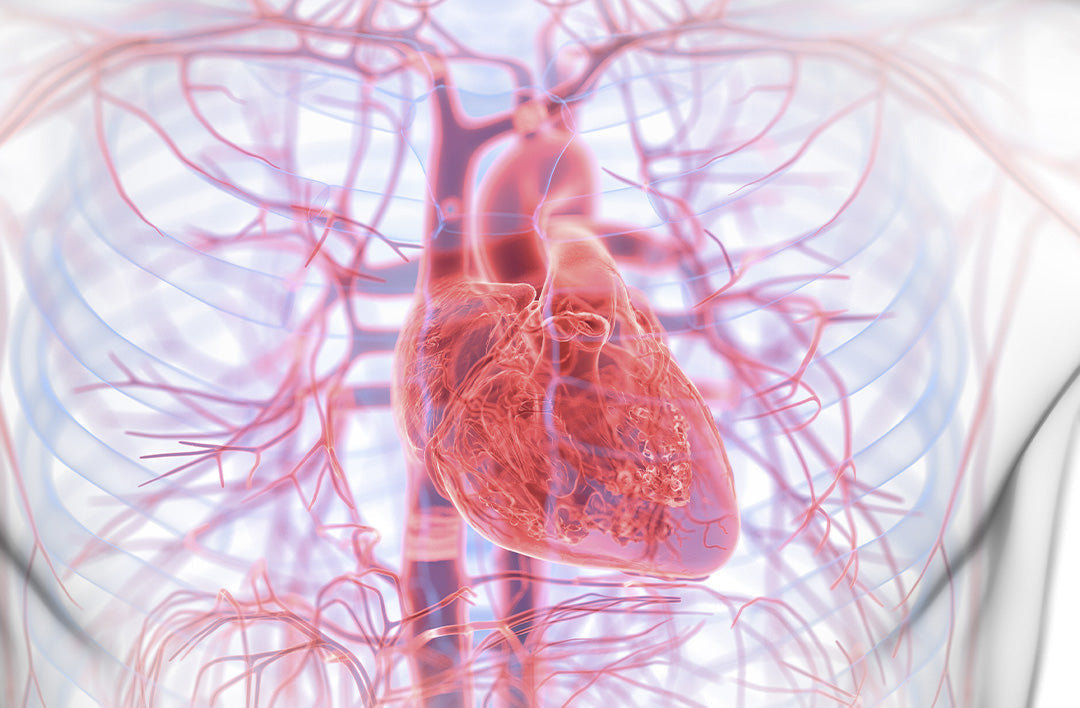
A groundbreaking study conducted by researchers from Finland and the UK has identified a direct link between common dental infections and the onset of myocardial infarction (heart attack). The findings suggest that maintaining oral health is just as critical for cardiovascular prevention as managing cholesterol levels.
The Missing Link Found
HELSINKI, Finland. While the correlation between gum disease (periodontitis) and heart disease has long been suspected, the underlying mechanisms have remained elusive. This new research clarifies the process: oral bacteria leak into the bloodstream, causing inflammation and physical blockages in the arteries.
“The results are very clear; good oral health is as important for the heart as monitoring your cholesterol levels,” comments Tommi Pätilä, a cardiac surgeon and Associate Professor at Helsinki University Hospital. “We can now show with certainty that a dental infection can raise the risk of blood clots and heart attacks to the same extent as high cholesterol.”
Bacteria Found in Nearly Half of Heart Plaque Samples
The researchers analyzed coronary artery plaque from 121 victims of sudden heart attacks and 96 patients who had plaque surgically removed from carotid or lower limb arteries. The results were startling: DNA from oral bacteria was found in 42% of the cases. The research group was led by professor Pekka Karhunen at Faculty of Medicine and Health Technology in Tampere University.
“This indicates that oral bacteria contribute to inflammation in cardiac plaque, increasing the risk of sudden cardiac events,” Pätilä explains. “We did not expect the percentage to be this high.”
The Limits of Traditional Brushing
The study highlights a concerning reality: traditional oral hygiene may not be enough. Even those with exemplary brushing habits are at risk because common infections can arise from untreated cavities in teeth or an inflammation in the gums. Residual plaque can irritate the gums, and cause bleeding. Bleeding in the gums is a common sign of a bacterial inflammation, that allows an increased flow of bacteria to the bloodstream.
“When you brush with a manual toothbrush, you only remove about 50% of plaque. With an electric toothbrush, that figure rises to around 60%,” says Pätilä. “Regardless of technique, a significant amount of plaque remains in the mouth, potentially allowing bacteria to enter the circulatory system.”
Tommi Pätilä, consultant in pediatric cardiac surgery and organ transplantation at New Children's hospital in Helsinki
A Targeted Antibacterial Solution
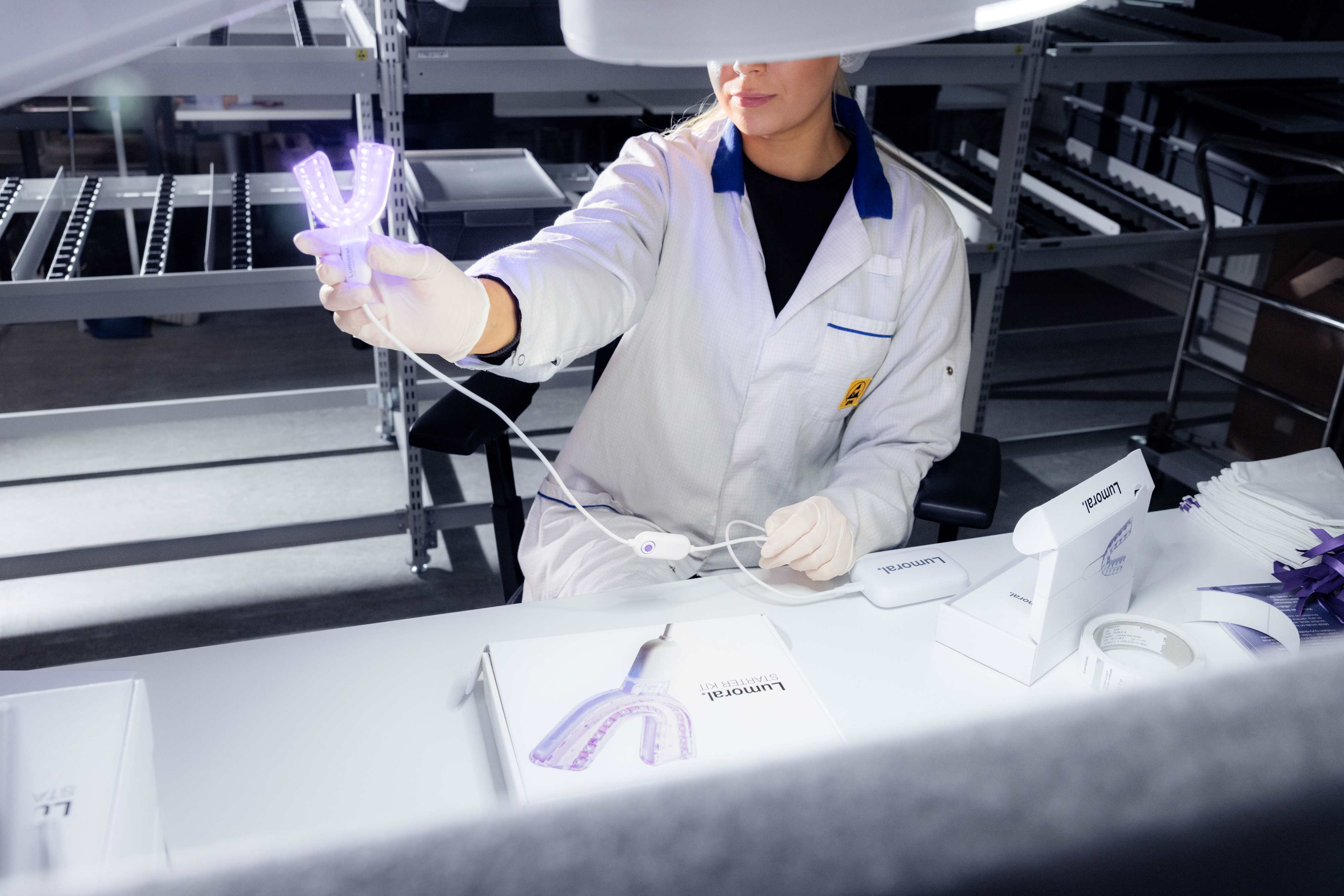
To bridge this clinical gap, Dr. Pätilä has been instrumental in developing Lumoral, a revolutionary home-use treatment designed to target the harmful bacteria that traditional methods miss.
The Lumoral method utilizes a sophisticated antibacterial approach that combines a light-activated mouthwash with a specialized LED mouthpiece to eliminate plaque bacteria specifically on the tooth surface and along the gum line. Unlike broad-spectrum antibacterial treatments, this targeted technology effectively eliminates the pathogens responsible for cavities and gingivitis without disturbing the mouth’s ecosystems in mucosa, saliva or the tongue. The treatment provides a proactive defense against inflammation and the dysbiotic biofilm that can impact systemic health.
“The insights from this study open entirely new pathways for prevention. It is only a matter of time before dental care is more deeply integrated into standard medical care,” Pätilä concludes.
About the Study
The study, titled “Viridans streptococcal biofilm evades immune detection and contributes to inflammation and rupture of atherosclerotic plaques,” was published in the Journal of the American Heart Association (August 2025)
References:


Leave a comment
This site is protected by hCaptcha and the hCaptcha Privacy Policy and Terms of Service apply.